
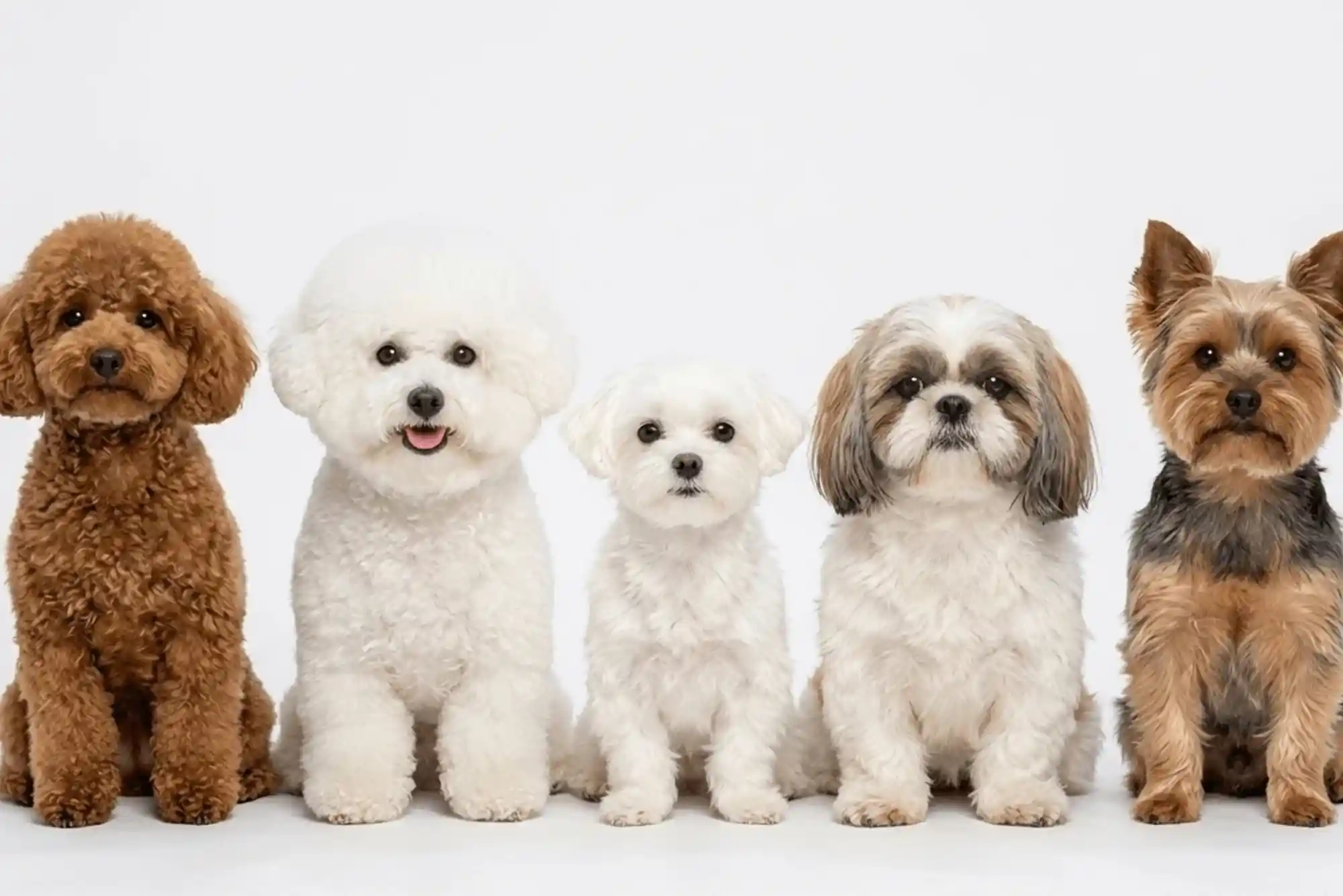
Introduction
Finding the right dog can be challenging when someone in your household has pet allergies. However, allergies do not always mean your family must avoid dogs completely. Some breeds produce fewer allergens than others and may be easier for sensitive households to manage. The Top 7 Hypoallergenic Dog Breeds for Families with Pet Allergies can offer practical options for families seeking a canine companion.
It is important to understand that no dog is completely allergen-free. Dog allergies are usually triggered by proteins found in dander, saliva, urine, and other materials. Fur can spread these allergens throughout the home. Therefore, choosing a low-shedding breed may help reduce exposure, but it cannot guarantee an allergy-free environment.
Lifestyle is also important when choosing a family dog. Children need a patient and predictable companion. Adults must also consider grooming needs, exercise requirements, training, and space. With careful planning, families can find a breed that fits both their household and allergy-management needs.
What Does Hypoallergenic Mean for Dogs?
The word hypoallergenic means less likely to cause an allergic reaction. It does not mean completely free from allergens. This distinction is especially important for families considering a dog because of allergies.
Many hypoallergenic dog breeds have coats that shed less than those of typical dogs. Some also have hair that continuously grows rather than fur that frequently falls out. Their coats may trap loose dander and hair until grooming removes it.
However, allergens can still be present on a dog’s skin and in its saliva. For that reason, families should spend time around a particular dog before bringing it home. An allergy specialist can also provide personalized advice for people with significant reactions.

Top 7 Hypoallergenic Dog Breeds for Families with Pet Allergies
The following breeds are commonly considered suitable options for allergy-conscious households. Each breed has different characteristics, so families should consider temperament and care requirements alongside allergen concerns.
1. Poodle
Poodles are among the most recognizable low-shedding dog breeds. They come in Standard, Miniature, and Toy sizes, giving families several options. Their curly coats can hold loose hair and dander rather than releasing large amounts around the home.
Poodles are also highly intelligent and responsive to training. With consistent guidance, they can learn household rules quickly. Their intelligence makes them suitable for families that enjoy interactive training and activities.
However, Poodles require regular grooming. Their coats can become tangled without frequent brushing and professional maintenance. They also need mental stimulation because boredom can lead to unwanted behaviors.
For active families, the Poodle can combine trainability, companionship, and relatively low shedding in one package.
2. Bichon Frise
The Bichon Frise is a small companion breed known for its soft, curly coat. It generally sheds very little compared with many other dogs. Its cheerful personality can also make it appealing to families with children.
Bichons often enjoy spending time with their people. They can adapt well to different living environments when their exercise and companionship needs are met.
Regular brushing and professional grooming remain essential. Their coat can mat when neglected, which makes grooming an important part of responsible ownership.
Families should also provide early socialization and positive training. A well-socialized Bichon can become a friendly and engaging household companion.
3. Portuguese Water Dog
The Portuguese Water Dog has a curly or wavy coat that typically sheds minimally. It was originally developed as a working water dog, so it tends to be energetic and athletic.
This breed can work particularly well for active families. Swimming, walking, retrieving games, and training can provide useful physical and mental stimulation.
Portuguese Water Dogs are intelligent and generally eager to participate in family activities. However, they are not ideal for households seeking a low-energy dog.
Their coat requires regular grooming and maintenance. Families should also be prepared to provide daily exercise and structured activities.
4. Schnauzer
Schnauzers are available in Miniature, Standard, and Giant varieties. They have distinctive wiry coats that generally shed less than many traditional breeds.
The Miniature Schnauzer can be especially suitable for families wanting a smaller dog. It can adapt to various home environments when properly exercised and trained.
Schnauzers are intelligent and alert. They often form strong bonds with their families and can be protective of their homes.
Early socialization is valuable because their alert nature can sometimes develop into excessive barking. Consistent training can help establish appropriate household behavior.
Regular grooming is also necessary to keep the coat healthy and manageable.
5. Maltese
The Maltese is a small companion dog with a long, silky coat. Despite its luxurious appearance, the breed generally sheds relatively little.
Its small size can make it practical for families living in apartments or smaller homes. Maltese dogs often enjoy close human companionship and can develop strong relationships with their owners.
Their coat requires considerable care. Regular brushing helps prevent tangles and mats. Some families choose shorter professional trims to simplify maintenance.
Maltese dogs are small and delicate, so young children should learn how to handle them gently. Supervision is especially important during play.
6. Soft Coated Wheaten Terrier
The Soft Coated Wheaten Terrier has a distinctive soft, wavy coat. It typically sheds minimally and is often included among breeds considered more suitable for allergy-sensitive households.
Wheatens are generally energetic, social, and playful. They can be enjoyable companions for families that want an active dog.
Like other terriers, they benefit from consistent training and early socialization. Their energy levels can be challenging without sufficient daily activity.
Grooming is another important consideration. Regular brushing helps prevent mats and keeps the coat in good condition.
7. Lagotto Romagnolo
The Lagotto Romagnolo is an Italian breed with a dense, curly coat. It is known for its working background and excellent scenting ability.
This breed can be a good match for families interested in training and outdoor activities. Lagottos often enjoy games that allow them to use their natural problem-solving and scenting abilities.
Their curly coat typically sheds minimally, but it still needs regular maintenance. Owners should learn appropriate grooming techniques or work with an experienced professional.
Because Lagottos are active and intelligent, they need more than occasional walks. Training games and enrichment can help keep them physically and mentally engaged.
How to Choose the Right Hypoallergenic Dog
Choosing among hypoallergenic dog breeds requires more than considering shedding. Every family has different needs, schedules, and living arrangements.
Start by considering the dog’s temperament. Families with young children may prefer a breed that is social, patient, and comfortable with household activity.
Next, consider exercise requirements. An energetic breed may thrive with an active family but become frustrated in a sedentary household.
Grooming requirements also deserve attention. Low shedding does not necessarily mean low maintenance. Many hypoallergenic breeds require frequent brushing, trimming, or professional grooming.
Finally, consider the individual dog. Breed tendencies can provide useful guidance, but every dog has its own personality.
How Families Can Reduce Dog Allergens at Home
Choosing a low-shedding dog is only one part of allergy management. Household habits can also make a meaningful difference.
Regular grooming can help remove loose hair and dander before they spread around the home. Where possible, grooming should take place outside or in an easily cleaned area.
Frequent vacuuming can also reduce accumulated hair and dander. Using appropriate filtration can further support household cleanliness.
Families may choose to keep the dog away from bedrooms, particularly when someone experiences significant allergy symptoms. Washing bedding and cleaning frequently used surfaces can also help.
Hands should be washed after handling the dog, especially before eating or touching the face.
It is also useful to wash the dog’s bedding regularly. Cleaning soft furnishings can reduce the accumulation of allergens throughout the house.
Are Hypoallergenic Dogs Safe for Allergy Sufferers?
There is no universal guarantee that a particular breed will prevent allergic reactions. Allergies vary considerably from one person to another.
A person may tolerate one dog relatively well but react strongly to another dog of the same breed. This can happen because individual dogs produce different amounts of allergenic proteins.
Therefore, families should spend time with the specific dog before making a long-term commitment. If allergies are severe, discussing the situation with a qualified healthcare professional or allergist is sensible.
The goal is to reduce exposure while making a realistic decision about the household’s needs.
Hypoallergenic Dogs and Children
Families with children should consider temperament, size, and handling requirements together. A dog should never be selected based solely on its coat type.
Children need to learn respectful interaction with animals. They should avoid pulling ears, tails, or fur. They should also understand that dogs need quiet time and personal space.
Young children should always be supervised around dogs. Even friendly dogs can react defensively when frightened, hurt, or overwhelmed.
Training and socialization are equally important. A well-trained dog is easier for families to manage and can adjust more successfully to everyday household routines.
Frequently Asked Questions
What is the most hypoallergenic dog?
There is no single dog breed that is completely hypoallergenic. Poodles, Bichon Frises, Schnauzers, Maltese, and several other low-shedding breeds are commonly considered more suitable for allergy-sensitive households.
What is the best dog to have if you have allergies?
The most suitable choice depends on the person’s specific allergies and the dog’s individual characteristics. Spending time with a dog before adoption can help families understand their reaction.
What dog is 100% hypoallergenic?
No dog is considered 100% hypoallergenic. All dogs can produce proteins that trigger allergic reactions, even when they shed very little.
What is the best dog for a family with allergies?
Low-shedding breeds such as Poodles, Bichon Frises, Portuguese Water Dogs, and Schnauzers may be considered. However, temperament, grooming, exercise, and individual allergy responses should also guide the decision.
Are hypoallergenic dogs good with kids?
Several low-shedding breeds can be good family companions. However, suitability depends on the individual dog’s temperament, socialization, training, and the children’s ages.
Conclusion
The Top 7 Hypoallergenic Dog Breeds for Families with Pet Allergies provide several possibilities for households concerned about dog allergies. Poodles, Bichon Frises, Portuguese Water Dogs, Schnauzers, Maltese, Soft Coated Wheaten Terriers, and Lagotto Romagnolos all have characteristics that may make them worth considering.