
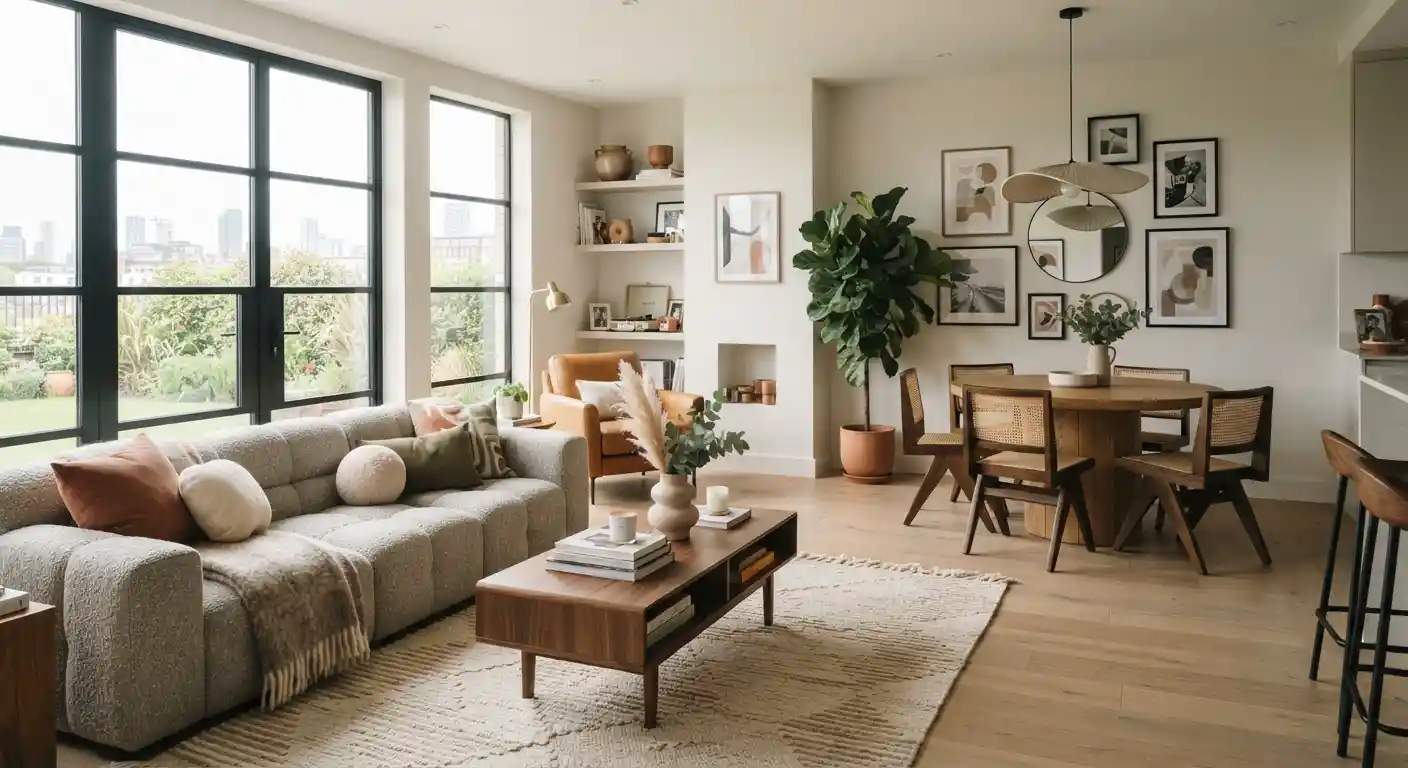
A well-decorated home should feel comfortable, practical, and visually appealing at the same time. Modern home decoration is no longer simply about following the latest trends. It is about creating an environment that reflects personal taste while making everyday living more enjoyable. From choosing furniture and colors to arranging lighting and decorative accessories, small decisions can have a significant impact on the overall appearance of a room.
Whether you are furnishing a new property or refreshing an existing interior, thoughtful decoration can help transform an ordinary space into a welcoming home. The key is to create balance between functionality, comfort, and visual character.
Begin with a Clear Decoration Style
Before buying furniture or accessories, consider the overall atmosphere you want to create. Contemporary, minimalist, Scandinavian, rustic, traditional, and modern styles can all work beautifully when planned carefully.
A consistent design direction makes it easier to choose complementary furniture, colors, fabrics, and decorative pieces. This does not mean every item has to match perfectly. Instead, the different elements should share a visual connection through similar colors, materials, shapes, or textures.
For homeowners who prefer a modern appearance, neutral tones and simple furniture can create an elegant foundation. These elements can then be enhanced with artwork, plants, textiles, and carefully selected accessories.
Make the Sofa a Focal Point
In many living rooms, the sofa naturally becomes one of the most important pieces of furniture. It provides seating, influences the room’s layout, and can also establish the overall color scheme.

Neutral seating can be particularly versatile because it works with many different interior styles. cream Sofas can introduce a soft and sophisticated appearance while providing a neutral base for cushions, rugs, curtains, and other decorative details.
When choosing a sofa, appearance should not be the only consideration. Size, comfort, fabric quality, maintenance requirements, and the available floor space should also influence the decision. Measuring the room before purchasing large furniture can help prevent an overcrowded layout.
Choose a Balanced Color Palette
Color can completely change the mood of a room. Light neutral shades can make smaller spaces feel more open, while deeper colors can introduce warmth and character.
A balanced interior often combines a primary neutral color with one or two complementary shades. For example, cream, beige, or soft grey can form the foundation, while green, navy, terracotta, or muted gold can be introduced through smaller decorative elements.
The advantage of a neutral foundation is flexibility. Homeowners can change cushions, artwork, blankets, or accessories without having to replace the main furniture.
Use Lighting to Enhance the Interior
Lighting is an essential part of home decoration because it affects both the atmosphere and appearance of a room. A well-designed space usually benefits from multiple sources of light rather than relying on a single ceiling fixture.
Natural light should be maximized during the day wherever possible. Light curtains can maintain privacy while allowing sunlight to enter the room.
For evenings, floor lamps, table lamps, wall lights, and decorative fixtures can create different layers of illumination. Warm lighting can make living areas feel more relaxing, while brighter task lighting can be useful in reading or working areas.
A stylish light fixture can also function as a decorative feature, adding personality without taking up significant floor space.
Add Texture to Create Visual Interest
Using only one type of material can make an interior feel flat. Combining different textures creates depth and makes the room more inviting.
Soft cushions, woven blankets, textured rugs, wooden furniture, ceramic accessories, and natural fabrics can all contribute to a richer visual experience. These materials do not need to be identical. Instead, they should complement each other through their colors and overall style.
A neutral seating area, for instance, can become much more interesting when combined with patterned cushions, a textured rug, and a soft throw. These simple additions can make the space feel warmer without requiring major changes.
Introduce Natural Elements
Natural elements can bring freshness and warmth into modern interiors. Indoor plants are one of the easiest ways to introduce organic shapes and color into a room.
Wood is another versatile material that works well with contemporary decoration. Wooden coffee tables, shelves, side tables, and decorative frames can soften interiors that contain many smooth or modern surfaces.
Other natural materials, including rattan, linen, stone, and bamboo, can also contribute to a relaxed atmosphere. These details are especially useful in minimalist interiors where a small number of carefully selected materials can create plenty of character.
Plan Furniture Around the Room
Furniture placement is just as important as furniture selection. Even attractive pieces can make a room feel uncomfortable if they are positioned without considering movement and proportion.
Leave enough space between major furniture pieces so people can move naturally through the room. A central seating arrangement can encourage conversation, while an appropriately sized coffee table can connect the different seating elements.
An area rug can also help define a living zone, particularly in open-plan interiors. Instead of placing a very small rug underneath a coffee table, a larger design that visually connects the seating can create a more unified appearance.
Use Decorative Accessories Carefully
Accessories provide an opportunity to express personality. Artwork, mirrors, vases, books, cushions, candles, and decorative objects can make an interior feel more individual.
However, adding too many accessories can create unnecessary visual clutter. A more effective approach is to select a few pieces that have genuine decorative or personal value.
Large artwork can create an attractive focal point, while smaller objects can be arranged on shelves, consoles, and side tables. Mirrors can also be useful because they reflect light and can make a room appear more spacious.
Consider Practicality Alongside Appearance
A beautiful home should also be easy and comfortable to live in. Decoration choices should reflect the needs of the people using the space.
For example, households with children or pets may prioritize durable and easy-to-maintain fabrics. People who regularly entertain guests may need additional seating, while those who work from home may need furniture that supports both productivity and relaxation.
Storage should also be part of the decorating process. Shelving, cabinets, baskets, and storage furniture can keep everyday belongings organized while maintaining a clean appearance.
Create a Comfortable and Flexible Living Space
One of the biggest advantages of thoughtful home decoration is flexibility. A room should be able to evolve as personal tastes and lifestyles change.
Choosing versatile furniture makes future updates easier. cream Sofas are one example of a neutral furniture choice that can work with different color palettes and decorative styles. Changing cushions, rugs, artwork, or curtains can therefore give the room a completely different character without replacing the main seating.
Seasonal decoration can also provide an easy way to refresh an interior. Lightweight fabrics and brighter accessories can create a fresh summer atmosphere, while heavier throws and warmer tones can make the same room feel cozy during colder months.
Personalize Your Home
Trends can provide inspiration, but a home should ultimately reflect the people who live there. Personal photographs, artwork, travel souvenirs, books, plants, and other meaningful objects can give a space a unique identity.
The most attractive interiors often combine contemporary elements with personal details. This prevents the room from feeling like a showroom and creates a more welcoming environment.
Personalization can also be achieved through smaller details. A distinctive lamp, favorite artwork, unusual vase, or collection of books can become a conversation point without overwhelming the overall design.
Keep the Design Simple and Intentional
Modern decoration often works best when every major element has a purpose. Instead of filling every empty corner, consider whether an item improves the appearance or functionality of the room.
A simple interior can still have plenty of personality when colors, textures, lighting, furniture, and accessories are carefully coordinated. Leaving some open space can also make important decorative features more noticeable.
The objective is not to create an empty room but to create a balanced one where furniture and accessories have enough room to be appreciated.
Final Thoughts
Creating a stylish and comfortable home does not necessarily require a large budget or a complete renovation. The right combination of furniture, color, lighting, texture, natural elements, and personal accessories can make a significant difference.
Start by deciding on a clear design direction, then select versatile furniture and build the rest of the room around it. Pay attention to proportions, movement, lighting, and everyday practicality while adding personal touches that make the space feel genuinely yours.
With thoughtful planning, even simple decoration changes can transform a living space into a comfortable, functional, and attractive home that remains enjoyable for years to come.
Related Reading: OctaFX News: Why Search Engines Often Mirror Trader Emotion, Not Reality
Related Reading: Rattan Garden Furniture Sale with Stylish and Durable Sofas
Related Reading: Phoenix Car Keys: A Modern Approach to Automotive Locksmith Services in the UK
Related Reading: Trip to Kyiv from the UK: Where to Rent an Apartment in Kyiv for a Comfortable Stay