Introduction
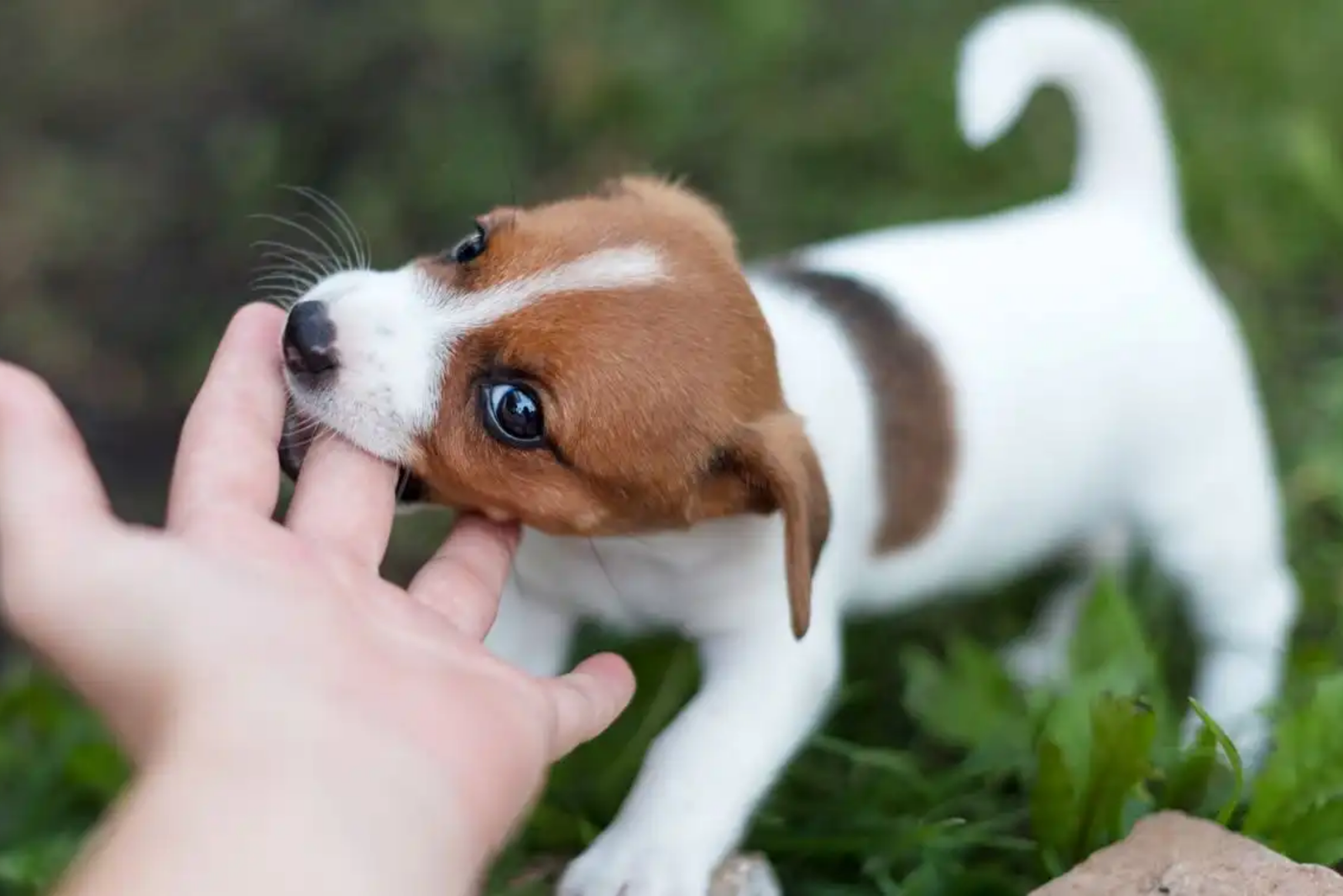
Bringing home a new puppy brings immense joy, but dealing with sharp needle teeth can test anyone’s patience. If you are searching for how to stop puppy biting and mouthing hands immediately, you are certainly not alone. Puppies explore the world using their mouths just like human babies use their hands. They investigate textures, play with littermates, and soothe sore gums from teething by chewing. However, letting a puppy clamp down on human skin creates dangerous habits. When you mimic this natural feedback loop, your puppy quickly learns how to regulate jaw pressure. Building a solid foundation starts with understanding your puppy’s physical triggers. Overtired, hungry, or overstimulated puppies bite far more often than calm ones. Establishing a consistent daily routine prevents these manic biting episodes before they even start. For structured guidance on daily schedules and foundational exercises, explore the expert resources available through the Puppy Training Pillar.
Immediate Actions When Your Puppy Bites
When tiny teeth latch onto your fingers, your immediate reaction dictates whether the behavior continues. Most people instinctively jerk their hands away, but that quick movement mimics running prey and triggers a predatory chase instinct. Instead of pulling away, freeze completely and go limp like a statue. Say a low, neutral “ow” or simply remain completely silent while removing all attention. Puppies bite because they want engagement; removing your interaction turns you into a very boring playmate. If freezing does not work, calmly stand up, cross your arms, and turn your back for thirty to sixty seconds. This short timeout teaches a clear cause-and-effect rule: sharp teeth make fun humans disappear instantly. Consistency from every family member is crucial here. If one person allows mouthing while another bans it, your puppy will stay endlessly confused. For more comprehensive pet care insights and troubleshooting advice, check out the main insights on Ukkings.To fix this behavior, you must look at it through the lens of proper Canine Bite Inhibition. Mother dogs and littermates teach puppies that biting too hard stops the game instantly.
Redirecting to Appropriate Chew Toys
Stopping an unwanted behavior requires giving your puppy an acceptable alternative outlet. Always keep safe chew toys, rubber Kongs, and long plush items within arm’s reach around the house. The moment your puppy reaches for your skin, gently place a durable toy into their mouth instead. Animate the toy by making it wiggle on the floor so it looks alive and exciting. Once your puppy grips the toy rather than your hand, offer warm verbal praise. Teaching them that toys satisfy their urge to chew saves your furniture and your hands. Avoid using old shoes or discarded socks as toys, because puppies cannot tell the difference between an old shoe and your brand-new sneakers. Providing appropriate mental stimulation, such as puzzle toys and short training sessions, also burns off excess energy that usually fuels biting.
Managing Overstimulation and Fatigue
Many severe biting sessions happen because a young puppy is severely overtired. Just like human toddlers, puppies turn cranky, hyperactive, and mouthy when they miss a nap. Young puppies require anywhere from eighteen to twenty hours of sleep every single day. If your puppy turns into a tiny landshark terrorizing your ankles, they likely need a quiet nap in a crate or a puppy-proofed pen rather than more playtime. Balancing active play with enforced rest periods transforms your puppy’s behavior within days.
Frequently Asked Questions
How do I stop my puppy from biting my hands when excited?
Stop all movement immediately and become completely uninteresting. If the biting persists, give a calm pause or step away behind a baby gate for thirty seconds until they calm down. Reward calm behavior with a treat once they settle.
Is puppy biting a sign of aggression?
Usually, no. Normal puppy biting stems from play, exploration, and teething discomfort rather than true aggression. However, look out for stiff body language, deep growling, or snapping out of fear, which require professional behavioral support.

Should I yell or tap my puppy on the nose to stop biting?
No. Physical punishment, hitting, or loud yelling can frighten your puppy, damage your bond, and actually cause defensive aggression or make them bite harder. Positive reinforcement and clear boundaries yield much faster results.
Related Reading: How to Crate Train a Puppy Fast: Nighttime and Separation Anxiety Tips
Related Reading: Puppy Potty Training Schedule: How to Housebreak in 7 Days
Related Reading: Labrador Retriever Exercise Requirements by Age (Puppy to Senior) — full guide