
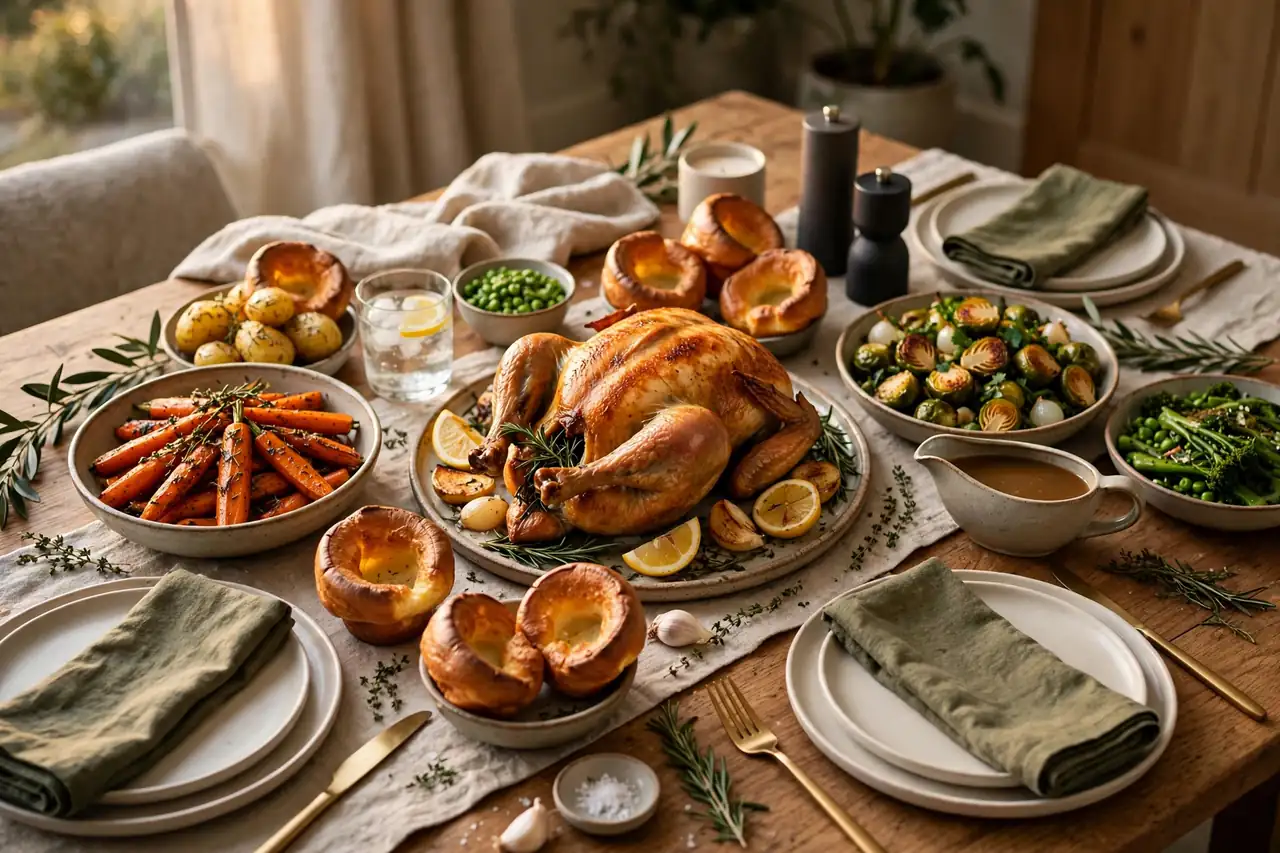
There is a particular comfort in the dishes Britain grew up on: shepherd’s pie on a wet Tuesday, a roast with all the trimmings, spotted dick with custard. Yet traditional British recipes are not museum pieces. A new generation of cooks is treating them with affectionate irreverence, lightening, spicing and reimagining them for modern tastes and modern kitchens. This article celebrates traditional British recipes with a modern twist, exploring how the classics are evolving, and how to give your own favourites a fresh lease of life without losing their soul.
Why the Classics Are Worth Saving
British cooking was built on thrift, seasonality and making the most of modest ingredients: slow-cooked cheaper cuts, root vegetables, suet, oats and preserves. Those instincts, born of necessity, happen to align beautifully with how many of us want to eat now: less waste, more plants, food that satisfies without excess. Traditional British recipes carry regional identity too, from Cornish pasties and Lancashire hotpot to Welsh cakes and Scottish cranachan.
The modern twist is not about showing off. It is about keeping these dishes alive by making them work for smaller households, busier weeks and more varied palates. Our food and lifestyle features return often to this balance between heritage and practicality.
The Sunday Roast, Reimagined
The roast dinner is the untouchable centrepiece of British food, but even it is evolving. Cooks are brining and spatchcocking chickens for juicier results, crisping roast potatoes in the air fryer, and serving gravies sharpened with miso, mustard or a splash of the meat’s resting juices and stock rather than granules alone. Yorkshire puddings now appear with beef, chicken and even as the edible bowl for a whole miniature roast.
Vegetarian and vegan centrepieces have joined the table properly: whole roasted cauliflower with romesco-style sauces, mushroom and chestnut Wellingtons, and nut roasts that have finally escaped their worthy reputation through better seasoning and texture. The trimmings, honeyed parsnips, braised red cabbage, cauliflower cheese, remain the real stars for many families. More seasonal centrepiece ideas appear in our home cooking guides.
Pies, Puddings and Comfort Food Updates
Few traditional British recipes invite a twist as happily as the pie. Steak and ale remains sacred, but fillings now roam: curried chicken, slow-cooked lamb with harissa, leek and smoked haddock, or roasted squash with sage and blue cheese. Pastry has loosened up too, with filo, crushed potato tops and cobbler scones standing in for suet crust when time or appetite demands something lighter.
The great British puddings are undergoing the same treatment. Sticky toffee pudding appears as a traybake with a salted date caramel; bread and butter pudding is made with brioche, marmalade or panettone after Christmas; Eton mess is deconstructed, frozen or flavoured with roasted rhubarb and ginger. The principle is consistent: keep the comfort, adjust the sweetness, add one bright note. Our features on British food traditions trace how these puddings travelled from school dinners to restaurant menus.
Regional Treasures Get a Wider Audience
Social media and a revival of interest in regional food have carried local specialities far beyond their home counties. Melton Mowbray pork pies, Bakewell puddings, Eccles cakes, Cornish saffron buns and Staffordshire oatcakes now appear in farm shops and bakeries nationwide, often with small modern adjustments: better pastry, named farms, seasonal fillings.
Protected status helps some of these foods keep their identity, while enterprising bakers experiment respectfully around the edges. It is a healthy pattern: the original remains available and honoured, and the variations recruit new fans. Readers who enjoy food with a sense of place may also like our travel features on Britain’s food regions.
Store-Cupboard Classics, Lighter and Brighter
Everyday dishes are changing too. Toad in the hole gets better sausages and a batter rested properly; bubble and squeak absorbs leftover greens of any kind and a fried egg; fish and chips at home are baked or air-fried with crushed peas brightened by mint and lemon. Even the humble crumble has diversified, with oat and nut toppings, spiced plums, and apple paired with blackberries foraged in late summer.
These are small changes, but they add up to a cuisine that feels alive. The cooks leading the revival share an attitude: respect the original, understand why it works, then adjust confidently. That is a useful rule for any home cook, and one we apply throughout our recipes and kitchen advice.
Breakfast, Tea and the Great British Rituals
No tour of British classics is complete without its rituals. The full English breakfast has been regionalised and refined: better sausages and bacon from named farms, eggs every way, and vegetarian versions built on mushrooms, beans and halloumi that stand on their own merits. Even the humble beans on toast has been elevated with slow-cooked beans, sourdough and a grating of strong cheddar.
Afternoon tea, meanwhile, has escaped the grand hotel. Bakeries and cafés now serve teas with regional bakes, savoury courses that go beyond the finger sandwich, and themes that would scandalise a Victorian duchess and delight her in equal measure. The ritual survives because its structure, pause, ceremony, something sweet, is timeless, whatever fills the cake stand.
Keeping Tradition on the Table
The future of traditional British recipes does not lie in freezing them at some imagined golden age. It lies in exactly what is happening now: grandparents’ dishes cooked by grandchildren who add chilli crisp to the bubble and squeak, swap suet for filo, and still insist Christmas is not Christmas without bread sauce.
Try one twist at a time on a dish you know well. Season boldly, lighten where the original feels heavy, and write down what works. Do that, and you are not abandoning tradition; you are doing what British cooks have always done, which is to keep it.

