
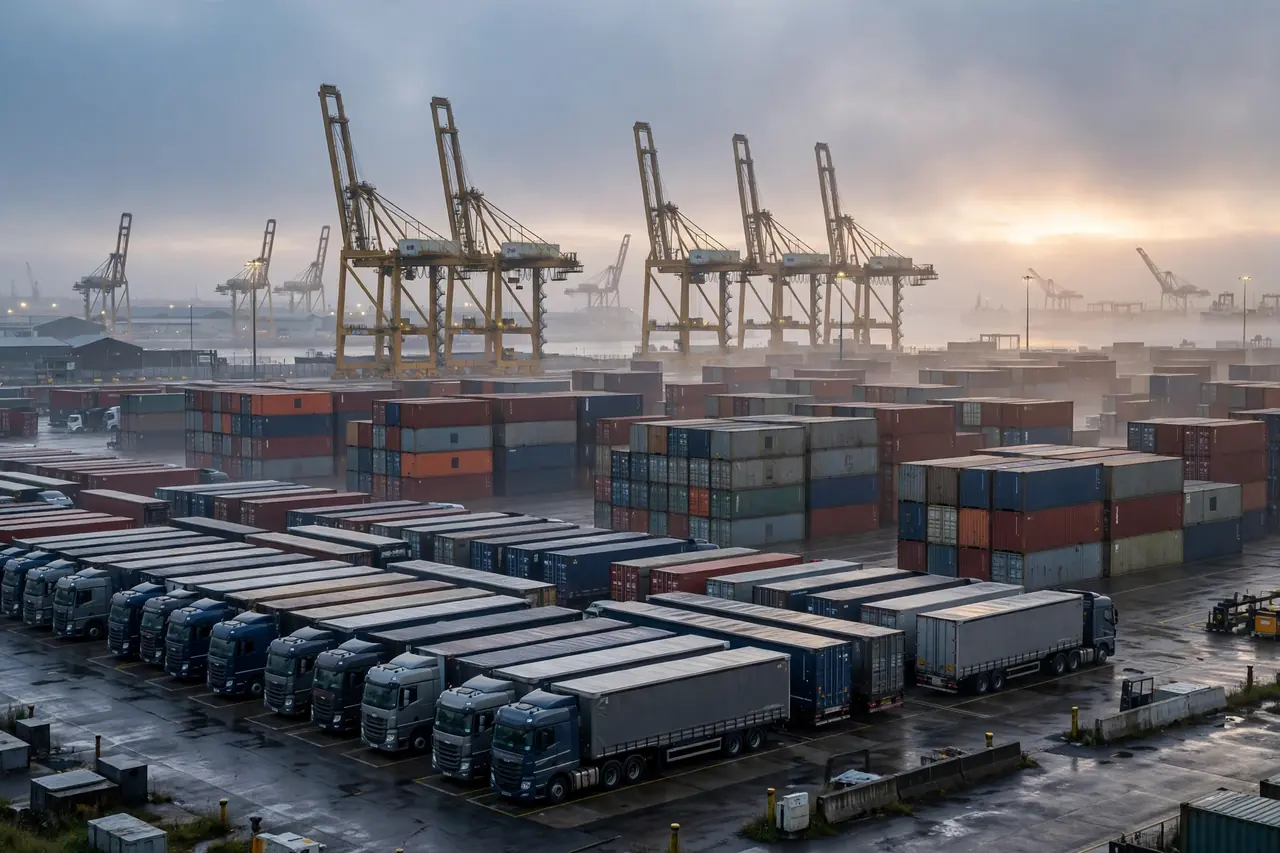
Britain’s departure from the European Union changed the rules of moving goods across the Channel more profoundly than any event in a generation. The impact of Brexit on freight shipping in the UK has been felt in paperwork, port queues, driver shortages and the quiet decisions of thousands of businesses to change how, and whether, they trade with Europe. Several years on, the picture is clearer: some early chaos has settled into routine, but the costs and frictions are structural, not temporary. This article examines what changed, who has adapted best and what comes next.
From Frictionless to Full Customs Controls
Before Brexit, goods moved between the UK and the EU much as they moved between English counties: no customs declarations, no tariffs, no regulatory checks. The single most consequential impact of Brexit on freight shipping in the UK is that those days ended. Every consignment to or from the EU now requires customs declarations, commodity codes and proof of origin where preferential tariffs are claimed under the Trade and Cooperation Agreement.
Rules of origin proved the early trap: goods assembled in Britain from EU components could still attract tariffs if they did not meet the agreement’s thresholds. Sanitary and phytosanitary checks on food and agricultural products added another layer, requiring export health certificates and, increasingly, physical inspections. Our business coverage has tracked how exporters in food, manufacturing and retail have adjusted to the new paperwork economy.
Ports, Queues and the Dover Effect
The short straits crossing between Dover and Calais handles a huge share of UK-EU freight, and it is where disruption becomes visible. New systems, including the Goods Vehicle Movement Service, were introduced to keep traffic flowing by completing checks before lorries reach the port. When systems work and volumes are normal, crossings are smooth; when a system fails or holiday traffic peaks, queues can stretch for miles, with perishable loads suffering first.
The long-term response has been diversification. Freight that once defaulted to Dover increasingly uses other routes: the Channel Tunnel, western Channel ports, direct sailings to Ireland, Spain and the Netherlands, and unaccompanied trailers that avoid tying up drivers. Port operators and ferry companies have invested in new capacity, and our transport and logistics features examine how these route choices affect cost and reliability.
Drivers, Labour and the Cost of Moving Goods
Brexit ended free movement, and the haulage industry, which had relied heavily on EU drivers, felt the change acutely. A shortage of HGV drivers pushed wages up and, for a period, left shelves empty and fuel deliveries disrupted. The industry has since invested in training, apprenticeships and better facilities, while the driver workforce has become more domestically based. Costs, however, have stayed higher than they were, feeding into the price of everything freight carries.
Cabotage rules, which govern whether foreign hauliers can do domestic jobs within the UK, were also tightened and then partially relaxed, a small saga that illustrates how technical the new settlement is. For businesses, the practical lesson is that transport is no longer a cheap, invisible input; it is a line item to be managed. Our guides for small and medium-sized businesses include advice on renegotiating logistics contracts in this environment.
How Businesses Have Adapted
The most successful response to the impact of Brexit on freight shipping in the UK has been unglamorous: expertise. Companies have hired customs specialists, adopted freight software, trained staff in commodity codes and Incoterms, and built buffer stock where once they ran just-in-time. Groupage, where smaller loads share a trailer, became harder and more expensive, pushing smaller exporters towards freight forwarders who consolidate on their behalf.
Some firms moved part of their operation into the EU, opening Dutch or Irish warehouses to serve European customers from inside the single market. Northern Ireland’s distinct arrangements, refined by the Windsor Framework, kept goods moving across the Irish border with far less friction than initially feared, though paperwork between Great Britain and Northern Ireland remains a live political issue. Meanwhile, trade beyond Europe has grown in importance, with businesses exploring the routes we discuss in our international trade features.
The Human Side: Drivers, Dockers and Border Staff
Behind the systems are people whose working lives changed with the rules. Drivers who once crossed the Channel as casually as a motorway now manage customs documents, sanitary certificates and queuing systems, and the industry has had to invest in their skills and welfare accordingly, from better facilities at ports to training in the new paperwork. Freight forwarders and customs agents, once back-office roles, became some of the most sought-after specialists in logistics.
Border and port staff carry the other side of the change, operating new checks under political scrutiny. Their experience underlines a point businesses sometimes forget: the border is not a website but a place, staffed in all weathers, and its smooth running is a human achievement renewed daily.
What Comes Next
The system is still evolving. The UK’s Border Target Operating Model has been phasing in fuller checks on EU imports, particularly food, and digital borders promise pre-lodged, data-driven clearance as the norm. Discussions between the UK and EU on reducing friction, including on food standards and emissions trading links, could soften some edges of the current settlement without rejoining the single market.
For the freight industry, the direction is towards technology: electronic consignment notes, smarter port systems and better data sharing between hauliers, ports and customs. Businesses that invest in understanding the rules, rather than hoping to avoid them, consistently report the fewest problems.
The impact of Brexit on freight shipping in the UK, in the end, is a story of permanent adjustment rather than temporary disruption. Trade with Europe remains enormous and essential; it is simply more deliberate than it was. Companies that accepted that early, and built the skills to match, are the ones now shipping with confidence.