For a small, densely populated island, Britain has an outsized record of environmental firsts: the first national parks in Europe’s industrial heartlands, pioneering climate legislation and some of the world’s most successful conservation charities. Today, green initiatives in the UK span government policy, business innovation and millions of individual choices, from farmers restoring hedgerows to cities rethinking transport. This article looks at how the UK is leading in environmental protection, where the progress is real, and where honest observers say much more remains to be done.
Climate Law and the Net Zero Framework
The foundation of modern green initiatives in the UK is legal. The Climate Change Act of 2008 made Britain the first country to set legally binding carbon budgets, and the later commitment to net zero emissions by 2050 gave that framework its destination. An independent Climate Change Committee advises and audits progress, publishing assessments that praise and criticise governments in equal measure.
The results in electricity are striking. Coal, which once generated most of Britain’s power, has been eliminated from the grid, and renewables, led by offshore wind, now supply a large and growing share. Challenges remain in heating, transport and industry, but the framework itself, targets in law, budgets in five-year blocks, expert scrutiny, has been copied around the world. Our news and current affairs coverage follows the politics of these targets as they evolve.
Energy: Wind, Solar and the Reinvented Grid
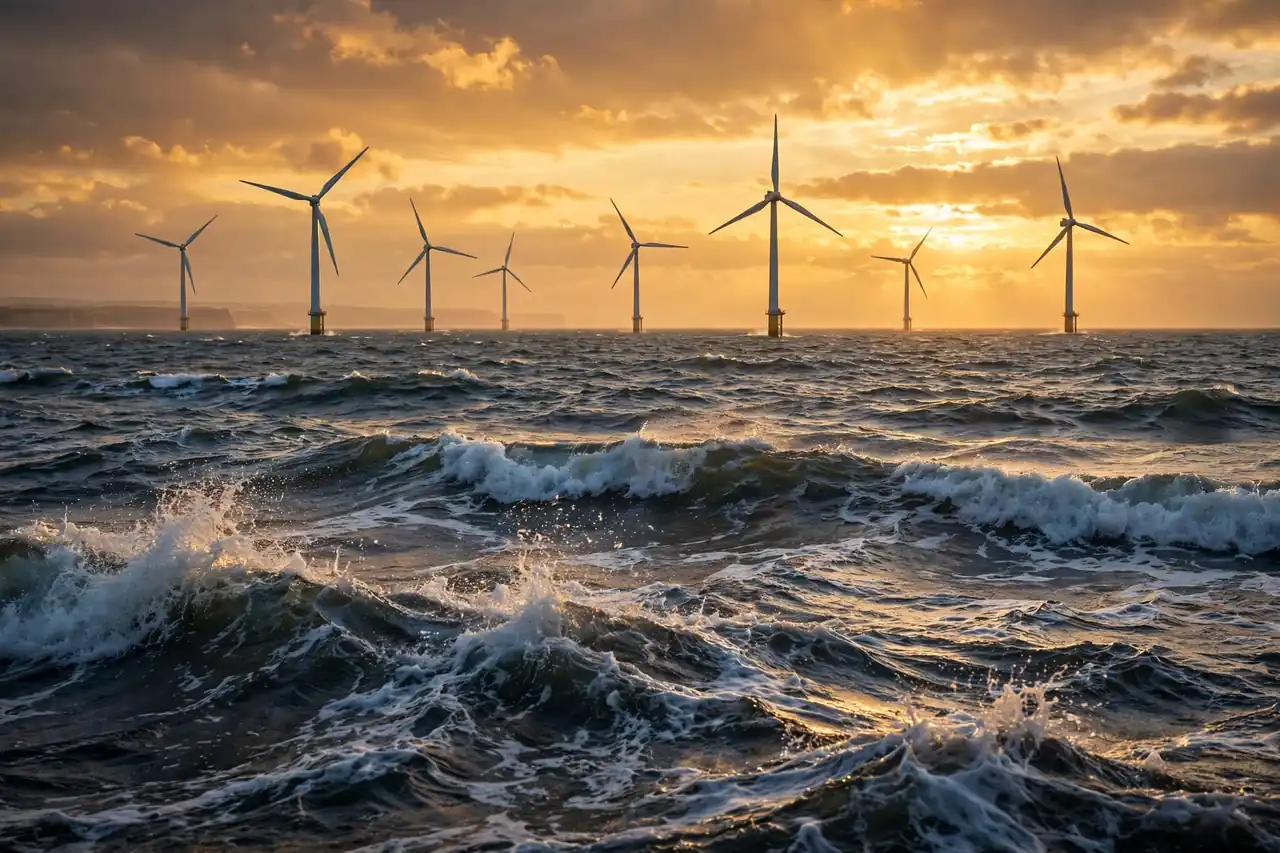
The UK’s waters host some of the largest offshore wind farms on Earth, and the industry built around them, in ports from Hull to Aberdeen, is a genuine industrial success story. Onshore wind and solar continue to expand, community energy schemes let villages own a share of local generation, and the grid itself is being rebuilt to handle millions of electric vehicles, heat pumps and home batteries.
Households are part of the story: rooftop solar, smart tariffs that reward using power when it is plentiful, and insulation programmes that cut both bills and emissions. The cheapest energy, as engineers like to say, is the energy you never use. Our home and property guides include practical routes into these schemes for homeowners.
Nature Recovery: From Farmland to City
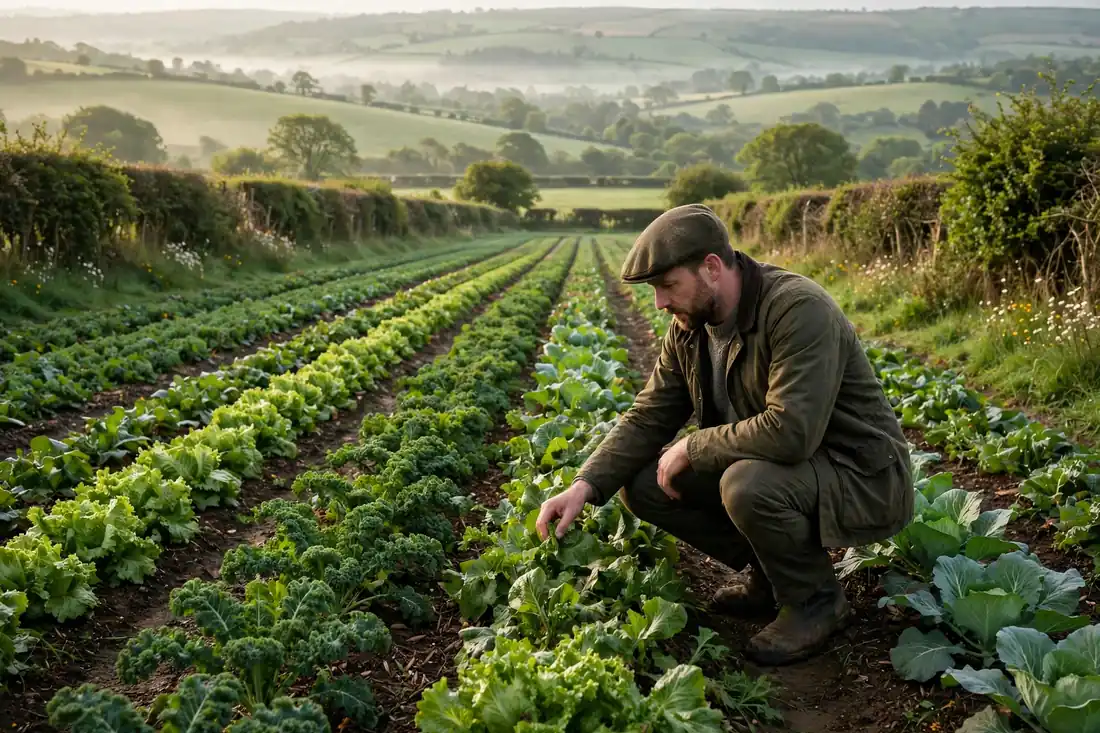
Some of the most hopeful green initiatives in the UK concern the living landscape. Rewilding projects have returned beavers to British rivers after centuries of absence, where their dams reduce flooding and create wetlands teeming with life. Farmers are being paid under new environmental land management schemes to restore hedgerows, plant woodlands, protect soils and make room for wildlife alongside food production, a shift our features on British farming examine in depth.
In towns and cities, urban greening is accelerating: street trees, rain gardens, rewilded verges and new pocket parks cool neighbourhoods, absorb floodwater and lift spirits. National parks and national landscapes are working to restore peatlands, which store vast amounts of carbon when wet and healthy. The thread connecting these projects is partnership: landowners, charities, councils and volunteers pulling in the same direction.
Circular Economy and the War on Waste
Britain’s relationship with waste is changing, slowly but visibly. The plastic bag charge cut usage dramatically and showed how small policy nudges change habits. Deposit return schemes for drinks containers, extended producer responsibility for packaging and Simpler Recycling rules for households and businesses are intended to push recycling rates up and litter down. Repair cafés, refill shops and resale platforms have moved from fringe to fashionable, part of the same cultural shift we describe in our lifestyle coverage of sustainable living.
Businesses are redesigning products for repair and reuse, and construction, one of the most wasteful sectors, is learning to reuse steel, timber and even whole buildings rather than demolishing by default, a change under way in the projects covered by our construction and design features.
Transport: The Hardest Mile
Transport remains the UK’s largest source of emissions, and progress is uneven. Electric cars are now a mainstream sight, supported by a growing charging network and the zero-emission vehicle mandate phasing out new petrol and diesel sales. Rail investment, bus priority schemes and cycling infrastructure in cities such as London, Manchester and Cambridge are giving people alternatives to driving, though rural areas still wait for their share.
Aviation and shipping are the acknowledged hard problems, where technology is younger and international rules matter more than national ones. Honest environmental coverage should say so: leadership in some sectors does not cancel difficulty in others.
What Individuals Can Actually Do
National policy sets the frame, but millions of household decisions fill it. The highest-impact choices available to most people are unglamorous: insulating the loft and draught-proofing the doors, choosing a heat pump when the boiler dies, eating a little less meat and wasting a lot less food, and letting the train or the bus take the strain where it realistically can. None requires perfection, and all compound when neighbourhoods adopt them together.
Money talks too. Pension and savings choices increasingly offer fossil-free options, community share offers let residents invest directly in local wind and solar, and switching to a genuinely green tariff supports the market for renewables. The point is agency: environmental protection in Britain has always advanced fastest when citizens, not only ministers, push it.
Reasons for Pride, Reasons for Pressure
How is the UK leading in environmental protection? Through law that binds, an energy transition further ahead than most peers, conservation charities of global reach and a public that consistently ranks the environment among its top concerns. The gaps, in nature recovery, home insulation and transport, are equally documented, not least by the government’s own advisers.
The encouraging truth is that green initiatives in the UK are no longer a niche interest. They are the direction of policy, business and daily life. Whether the pace proves fast enough is the defining question, and it will be answered by choices made in parliaments, boardrooms and households alike.