
Introduction
Winter can be beautiful, but cold weather can create real challenges for dogs. Low temperatures, snow, rain, ice, and salty sidewalks can make outdoor walks uncomfortable. Some dogs also lose body heat quickly because of their size, coat type, age, or health. Therefore, choosing suitable winter clothing can help your dog stay comfortable during cold-weather adventures.
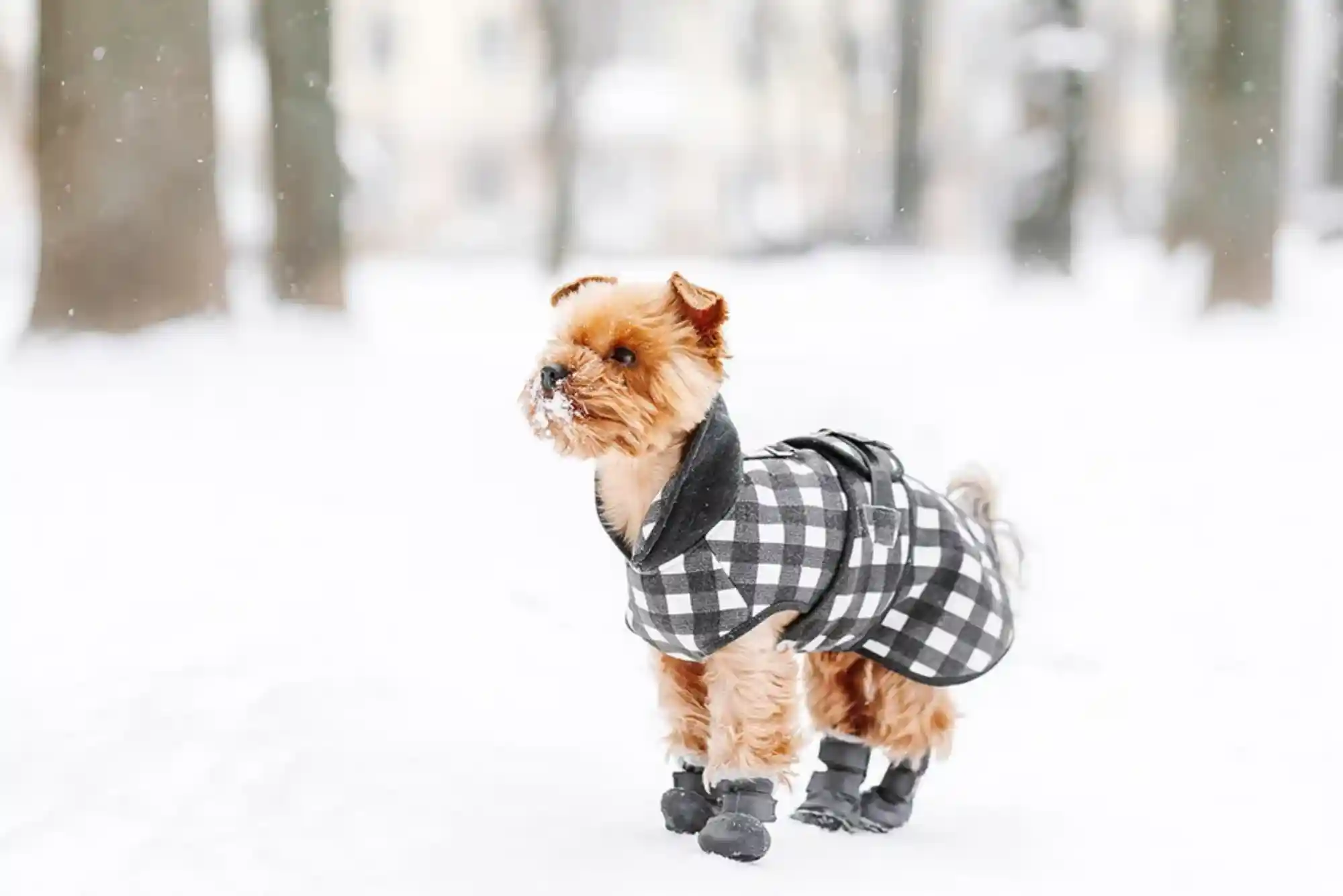
The Best Winter Dog Coats and Waterproof Boots for Cold Weather should provide warmth without restricting movement. A good coat protects the body from cold air and moisture. Meanwhile, waterproof boots can help protect paws from snow, ice, water, salt, and rough surfaces. However, every dog has different needs. The right gear should match your dog’s size, activity level, coat type, and local weather conditions.
Why Dogs May Need Winter Coats
Not every dog needs a winter coat. Dogs with thick double coats may naturally handle cold conditions well. However, smaller breeds, short-haired dogs, puppies, senior dogs, and dogs with little body fat may become uncomfortable more quickly.
A winter coat can provide an additional layer of insulation during outdoor activities. It can also help keep rain and snow away from your dog’s body. This becomes especially useful when temperatures drop significantly or when windy conditions make the air feel colder.
The Best Winter Dog Coats and Waterproof Boots for Cold Weather should never replace common-sense winter care. Even a well-dressed dog can become too cold if left outdoors for too long. Watch your dog’s behavior and return indoors when they show signs of discomfort.
What Makes the Best Winter Dog Coat?
A quality dog coat should combine warmth, comfort, coverage, and practical design. The outer material should ideally resist wind and light rain. The inner layer should provide insulation without becoming excessively bulky.

Fit is equally important. A coat that is too tight can restrict movement and cause rubbing. Conversely, a coat that is too loose may shift during walks or allow cold air underneath.
The best winter dog coats generally allow comfortable movement around the shoulders and legs. They should also provide enough coverage across the chest and back. Adjustable straps can make it easier to achieve a secure fit.
Reflective details are another useful feature. Winter days often have reduced daylight. Reflective panels or stitching can make your dog easier to notice during early-morning or evening walks.
Choosing the Right Winter Coat for Your Dog
Your dog’s breed and coat type should influence your choice. Short-haired breeds often benefit from more insulation because they have less natural protection against cold temperatures.
Small dogs can also lose heat faster because they have less body mass. A properly fitted insulated coat can provide valuable protection during winter walks.
Dogs with thick coats may need a lighter outer layer instead. In these cases, excessive insulation could make the dog uncomfortable during active exercise. A water-resistant shell can sometimes be more practical than a heavily padded coat.
You should also consider your local climate. A waterproof coat makes sense in wet winter conditions. However, dogs living in dry but extremely cold environments may need stronger insulation.
Why Waterproof Boots Matter in Winter
Your dog’s paws come into direct contact with cold and potentially harmful surfaces. Snow and ice can collect between paw pads, causing discomfort. Ice-melting products can also irritate sensitive paws.
Waterproof boots create a protective barrier between paws and wet or frozen surfaces. They can also help prevent snow from accumulating around the toes.
The Best Winter Dog Coats and Waterproof Boots for Cold Weather should work together to provide full-body protection. While the coat helps maintain body warmth, boots protect one of the most exposed parts of your dog’s body.
Boots can also be useful during rainy winter walks. Waterproof materials help keep paws dry and reduce contact with dirty standing water.
How to Choose Waterproof Boots for Dogs
The correct fit is the most important factor when selecting dog boots. Boots should stay securely in place without squeezing the paws.
Before buying boots, measure your dog’s paws according to the manufacturer’s instructions. Different brands can use different sizing systems. Therefore, relying only on breed size may result in an incorrect fit.
Look for flexible materials that allow natural paw movement. A rigid boot may make walking uncomfortable, especially for dogs that have never worn footwear before.
A secure fastening system is also helpful. Adjustable straps can prevent boots from slipping during walks. However, the straps should never be tightened enough to interfere with circulation.
Waterproof construction is particularly valuable for snow and rain. A textured sole can also improve traction on slippery surfaces.
Helping Your Dog Get Used to Winter Boots
Many dogs initially dislike wearing boots. This reaction is normal because footwear changes how their paws feel against the ground.
Start indoors with short sessions. Allow your dog to investigate the boots before putting them on. You can then place one boot on a paw for a brief period.
Reward calm behavior and gradually increase wearing time. Once your dog becomes comfortable, introduce all four boots for short indoor walks.
Avoid immediately taking your dog on a long outdoor walk. Instead, give them time to develop confidence. With patience, most dogs can become more comfortable with winter footwear.
Combining Coats and Boots for Cold Walks
The Best Winter Dog Coats and Waterproof Boots for Cold Weather provide protection without making your dog uncomfortable. Combining both products can be particularly helpful during snow, freezing rain, or wet winter conditions.
However, clothing should match the activity. A dog running actively may generate considerable body heat. A heavily insulated coat could therefore become uncomfortable.
For slower walks, older dogs, or particularly cold weather, additional insulation may be useful. Always monitor your dog’s body language rather than relying solely on the temperature outside.
Shivering, reluctance to continue walking, lifting paws repeatedly, whining, or trying to return home can indicate that your dog is uncomfortable. Move indoors and warm your dog gradually if these signs appear.
Winter Coat Features Worth Considering
Several features can make winter dog clothing more practical. Adjustable closures can improve fit as your dog moves. Water-resistant outer fabric can help during light precipitation.
A coat with chest coverage can provide additional protection against cold wind. However, it should not interfere with bathroom breaks.
Easy cleaning is another practical consideration. Winter walks can leave coats covered in mud, salt, and moisture. Machine-washable materials can make regular maintenance easier.
For nighttime walks, reflective elements are especially useful. They can improve visibility around roads and parking areas.
Winter Dog Boot Features Worth Considering
A good winter boot should remain comfortable during movement. Flexible construction is useful because dogs naturally bend and move their paws while walking.
Waterproof materials help keep paws dry. A durable sole can also provide better protection against rough ice and frozen ground.
The boot opening should remain secure without causing pressure. If a boot frequently falls off, check the sizing and fastening system rather than simply tightening it further.
After every winter walk, inspect your dog’s paws. Remove any ice, dirt, or debris that may have accumulated around the toes.
How Long Can Dogs Stay Outside in Cold Weather?
There is no single temperature that applies equally to every dog. Cold tolerance depends on breed, size, age, coat, activity, wind, moisture, and individual health.
A large dog with a thick coat may tolerate cold conditions better than a small short-haired dog. Wet weather can also make cold exposure more difficult because moisture reduces insulation.
Therefore, outdoor time should be adjusted according to your dog’s individual response. Shorter walks may be appropriate during severe weather.
Never assume that a coat or boots make unlimited outdoor exposure safe. Winter clothing provides protection, but it does not eliminate the risks associated with extreme cold.
Caring for Winter Dog Coats and Boots
Proper maintenance can extend the useful life of winter gear. Follow the manufacturer’s washing instructions for coats. Allow wet clothing to dry completely before storing it.
Boots should also be cleaned regularly. Salt, mud, and grit can collect inside and cause irritation. Check the soles and fastening straps for signs of wear.
Before every walk, inspect the coat and boots. Damaged closures or torn materials can reduce protection. Replace equipment when it no longer fits properly or provides adequate coverage.
After walks, gently clean and dry your dog’s paws. This simple routine can help reduce irritation caused by winter surfaces.
Frequently Asked Questions
Do dogs really need winter coats?
Some dogs benefit from winter coats, while others may not need them. Small, short-haired, young, senior, or low-body-fat dogs can become cold more quickly. A coat can provide extra insulation during cold outdoor activities.
What temperature is too cold for dogs?
There is no universal temperature that is too cold for every dog. Cold tolerance varies considerably between individual animals. Wind, moisture, coat type, size, and age all affect comfort and safety.
Do dogs need boots in the winter?
Dogs may benefit from boots when walking through snow, ice, or areas treated with de-icing products. Waterproof boots can protect paws from moisture, irritation, and rough surfaces.
How do I know if my dog needs a winter coat?
Watch your dog’s behavior during cold weather. Shivering, reluctance to walk, lifting paws, or attempting to return indoors may indicate discomfort. Dogs with thin coats often need additional protection sooner.
Are waterproof dog boots worth it?
Waterproof boots can be useful for dogs that regularly walk through snow, rain, or wet conditions. They can help keep paws dry and reduce exposure to irritating winter substances.
How can I get my dog to wear boots?
Introduce boots gradually indoors. Let your dog investigate them before putting them on. Begin with short wearing periods and reward relaxed behavior. Increase the duration slowly as your dog becomes comfortable.
Conclusion
Choosing the Best Winter Dog Coats and Waterproof Boots for Cold Weather starts with understanding your dog’s individual needs. A properly fitted coat can provide warmth and protection from wind and moisture. Waterproof boots can protect paws from snow, ice, water, salt, and rough winter surfaces.