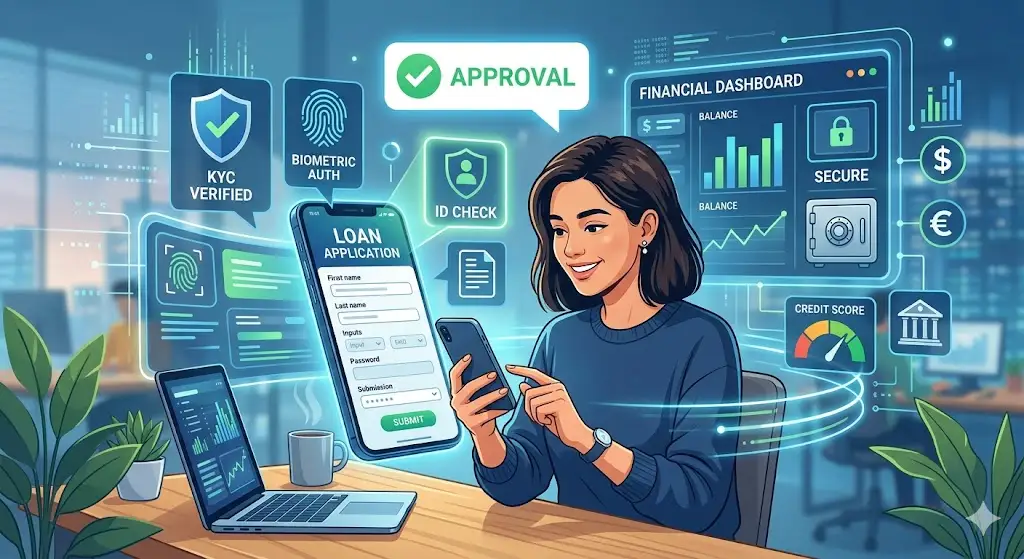
For many first-time borrowers, an online loan begins with a simple objective: submit an application and wait for a decision. The actual process involves several connected elements, including registration, identity verification, account setup, assessment procedures, and repayment management.
MoneyCat operates within this type of digital lending environment, where most interactions take place online. Registration details, verification records, and account activity become part of the overall borrowing process.
A clear understanding of how these elements work together helps explain why the experience involves more than a single application form.
The role of registration
Registration creates a borrower profile that allows the lender to collect and manage information required for assessment and communication.
The information provided during account creation may later be used during verification procedures, repayment tracking, and account maintenance activities.
The role of verification
Verification helps confirm that submitted information is accurate and belongs to the applicant.

Depending on the circumstances, the lender may review identification records, contact information, payment details, or other supporting data before moving forward with the assessment process.
What information usually matters
Several categories of information commonly receive attention during review:
- Personal identification details
- Contact information
- Income-related records
The exact requirements depend on the lender and the selected product.
Accurate information reduces the likelihood of delays caused by inconsistencies between submitted records and verification results.
Account details beyond the application
Some parts of account management receive less attention during the initial application.
Borrowers often focus on approval-related information while overlooking details connected with long-term account use, such as:
- Password security
- Notification preferences
- Contact information updates
- Payment method verification
- Access recovery procedures
These elements can become important after registration has already been completed.
Looking deeper into the process
At first glance, online borrowing may appear to revolve around a single decision.
A more detailed review shows that registration, verification, communication, account maintenance, and repayment management all influence the overall experience.
The application itself is only one part of a longer chain of account activity.
Changes in personal information, payment methods, or contact details may require profile updates even after registration has been completed.
What changes over time
The relationship between a borrower and an online lending account is not static.
Account records can be updated. Contact information may change. New verification requests may appear when profile details are modified. Repayment history becomes part of the account record. Available products and account options may also differ from those visible during the first registration.
As time passes, account activity creates a larger information history that can influence future interactions with the lender.
A closer comparison
A borrower who focuses only on completing the registration form may view the process as a short administrative requirement. Once the account is created, attention shifts entirely toward the lending decision.
A borrower who reviews account settings, verification requirements, repayment details, and profile accuracy sees registration as the beginning of ongoing account management. This approach often creates a clearer understanding of future responsibilities and account activity.
A practical account situation
A first-time borrower creates an account and enters personal information using current identification and contact details. Registration is completed successfully, and the profile becomes active.
Several days later, additional verification is requested before the assessment process continues. The borrower reviews the account, provides the requested information, and updates a small inconsistency found in the profile.
After verification is completed, account activity continues through repayment tracking, profile maintenance, and communication records stored within the account. Future interactions are connected to the information established during the original registration process.
Related Reading: Why Should You Attend a Finance Summit?
Related Reading: Tech Companies Are Using Nicotine Pouches to Boost Productivity
Related Reading: Meeting Nutritional Requirements with Premium Poultry Oil: An In-Depth Analysis
Related Reading: Unlocking the Next Generation of Real-Time PCR with the Sansure SLAN-96P
Related Reading: First Time Central Heating Grants UK | Apply Now
Related Reading: EBC Webstore
Related Reading: Linee guida per il recupero crediti commerciali in Turchia