
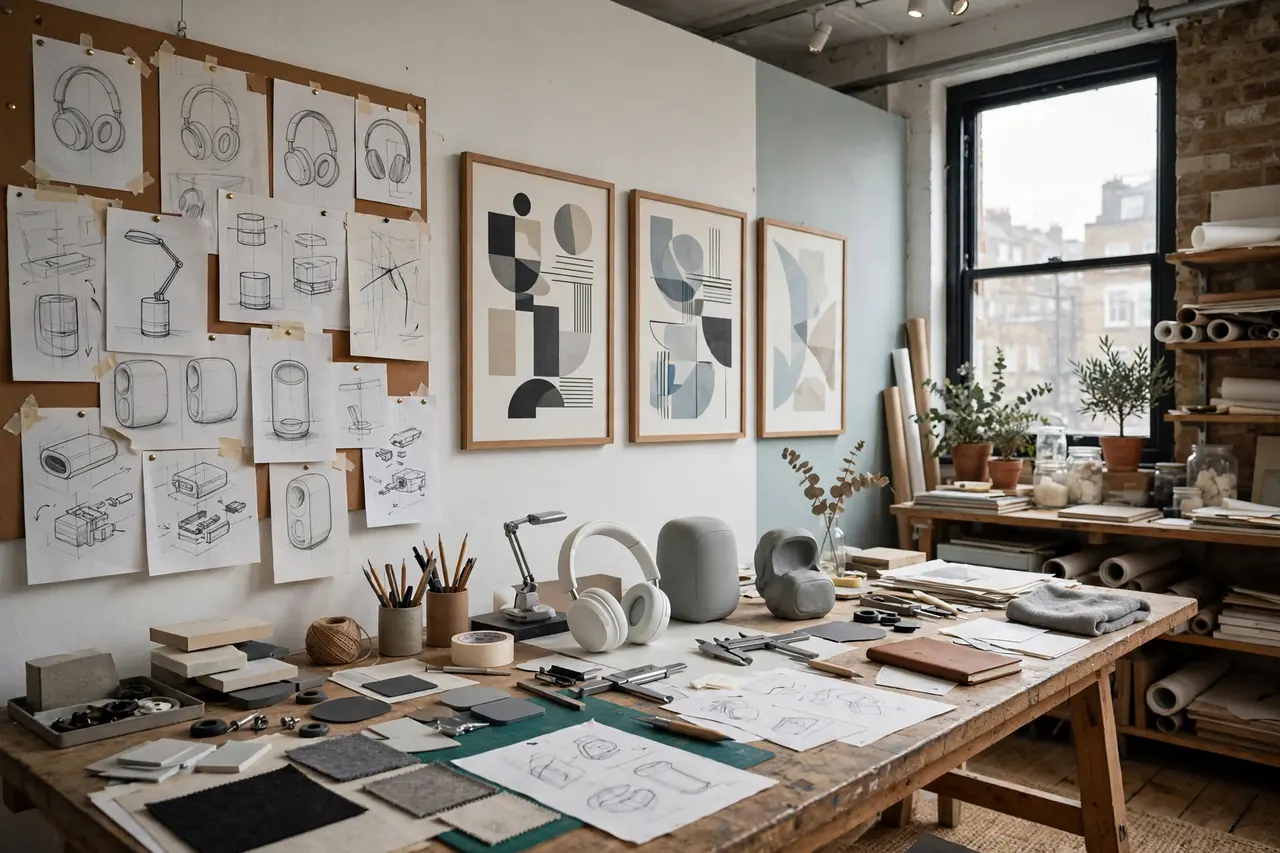
British design has a habit of conquering the world while looking understated. The London Underground map, the red telephone box, the Mini, the Anglepoise lamp: again and again, the impact of British design on global trends has come from solving everyday problems with clarity and wit. Today that influence spans fashion, architecture, technology and graphics, and it is studied in design schools on every continent. This article explores how British design achieved its global reach, which ideas travelled furthest, and where the next wave is coming from.
Design for Everyone: The Democratic Streak
The deepest idea in British design is democratic: good design belongs in ordinary life. Harry Beck’s Tube map of 1933 abandoned geographical accuracy for clarity, and became the model for transit maps worldwide. The NHS, the BBC and the motorway signage system designed by Jock Kinneir and Margaret Calvert applied the same principle at national scale: information designed so everyone can use it.
That public-service tradition distinguishes British design internationally. Where some design cultures chase luxury, Britain’s signature achievements often sit in stations, hospitals and high streets, used by millions who never learn their designers’ names. Our culture and design features celebrate these unsung classics and the people fighting to preserve them.
Architecture and the Reinvented City
British architects reshaped skylines far beyond Britain. The high-tech movement pioneered by Norman Foster, Richard Rogers and Nicholas Grimshaw, buildings with their structure and services worn proudly outside, produced landmarks from Hong Kong to Berlin. A later generation, including Thomas Heatherwick, took British design into public spaces and objects that blur architecture, engineering and sculpture.
At home, the regeneration of industrial cities, canalside warehouses in Manchester, docklands in Liverpool and London, became a global template for post-industrial renewal: keep the brick, add the light, mix homes with work and culture. Not every project aged well, and debates about gentrification are part of the story, as our property and cities coverage acknowledges. But the export value of British architectural thinking is beyond dispute.
Fashion and Product Design: Wit Meets Engineering
The impact of British design on global trends is perhaps most visible in what people wear and carry. British fashion’s twin engines, Savile Row tailoring and street-level subculture, have influenced each other for half a century: punk’s DIY graphics became a global design language, while British tailoring set the template for the modern suit. Designers from Alexander McQueen to Stella McCartney carried that tension between craft and rebellion onto the world’s runways.
In product design, James Dyson turned the vacuum cleaner into an engineering statement and built a company that now shapes categories from hair care to air treatment, while Jonathan Ive, trained in Newcastle and London, led the design of the iPhone and defined how the world expects technology to look and feel. The common thread is obsession with how things work, not only how they appear. Our technology features follow the British designers inside today’s global tech firms.
Graphics, Typography and the Language of Brands
Britain gave the world Gill Sans, the Johnston typeface of the Underground, Penguin’s disciplined book covers and the record sleeves that taught generations what music should look like. British graphic design prizes clarity with character: information you can read at a glance, delivered with enough personality to remember.
That sensibility now runs through digital design. British studios and designers are embedded in the teams behind global apps, games and brands, and London remains one of the world’s great agency cities. The city’s design festivals and museums, above all the V&A and the Design Museum, act as the culture’s showroom and archive. Readers can explore more in our arts and entertainment coverage.
Interiors and the British Look Abroad
Walk into a boutique hotel in Copenhagen, a café in Melbourne or a country house hotel in New England and you will find traces of the British interior: layered pattern, deep sofas, book-lined walls, colour used bravely in small rooms. The look, equal parts comfort and eccentricity, has become one of Britain’s most successful cultural exports, spread by designers, magazines and now social media.
It succeeds because it is a method rather than a formula: mix old and new, prioritise comfort, let collections and books show. Our home and interiors features break down how to achieve that balance in real British homes of every size.
Design Education: The Engine Room
Underpinning all of this is education. British art schools, from the Royal College of Art to regional universities, have an outsized record of producing designers who lead studios worldwide, and they draw international students who carry British methods home with them. The art school tradition, experimental, critical, slightly unruly, is itself one of Britain’s great design exports.
That pipeline needs defending. Creative subjects face pressure in school curricula, and studio-based education is expensive to run. Yet every era of British design leadership can be traced back to classrooms where students were encouraged to question briefs rather than merely fulfil them. Lose that, and the influence described in this article becomes history rather than a living force.
The Next Wave
British design’s future is being written in sustainable materials, inclusive design and digital craft. Designers are tackling repair, reuse and accessibility as creative briefs rather than constraints, and the UK’s design schools continue to draw the world’s talent, the surest sign of a culture still generating ideas.
The impact of British design on global trends was never an accident. It comes from a national habit of valuing usefulness, humour and craft in equal measure. As long as Britain keeps designing for real life, the world will keep borrowing its ideas.


