
Introduction
Taking care of your dog’s mouth is just as important as feeding them a high-quality diet. Many pet owners overlook daily hygiene until bad breath becomes completely unbearable. However, oral hygiene goes far beyond fresh breath and pleasant snuggles. Learning how to clean dog teeth at home: preventing periodontal disease can save your furry best friend from severe pain and expensive veterinary bills. Plaque hardens into tartar within hours if left undisturbed on the tooth surface. Without intervention, this bacteria spreads below the gumline and triggers irreversible damage. Establishing a solid routine early protects your pet’s overall well-being. Dedicated care ensures your dog lives a long and vibrant life. For comprehensive advice, exploring resources on Dog Dental Care can guide your next steps.
Understanding Periodontal Disease in Dogs
Periodontal disease is the most common clinical condition occurring in adult dogs. Up to eighty percent of dogs show signs of gum disease by the time they reach three years of age. Small breeds are especially vulnerable due to crowded teeth and narrow jaws. The process begins when food particles mix with saliva to form a sticky film. This biofilm is known as dental plaque. When plaque remains on the teeth, minerals in saliva turn it into hard calculus or tartar. Tartar irritates the delicate gum tissue and causes painful inflammation called gingivitis. As the infection progresses deeper, it destroys bone and connective tissue holding teeth in place. Bacteria can even enter the bloodstream and impact major organs like the heart and kidneys. Recognizing these risks highlights why proactive home maintenance is vital. Brands like Ukkings advocate for healthy routines that keep pets thriving.
Essential Supplies for Home Dental Care
Gathering the right tools makes brushing your dog’s teeth much easier and safer. Never use human toothpaste because it contains ingredients like fluoride and xylitol that are toxic to dogs. Human formulas also produce foam that pets cannot safely swallow. Instead, buy enzymatic pet toothpaste flavored with poultry or beef. These formulations help break down bacteria enzymatically without requiring aggressive scrubbing. You will also need a dog-specific toothbrush featuring soft bristles. Dual-ended brushes or silicone finger brushes work well depending on your dog’s size. Some owners prefer using clean gauze wrapped around a finger for the first few training sessions. Having these supplies ready sets you up for a smooth transition. Consistency is far more important than achieving perfection on day one.
Step-by-Step Guide to Brushing Dog Teeth
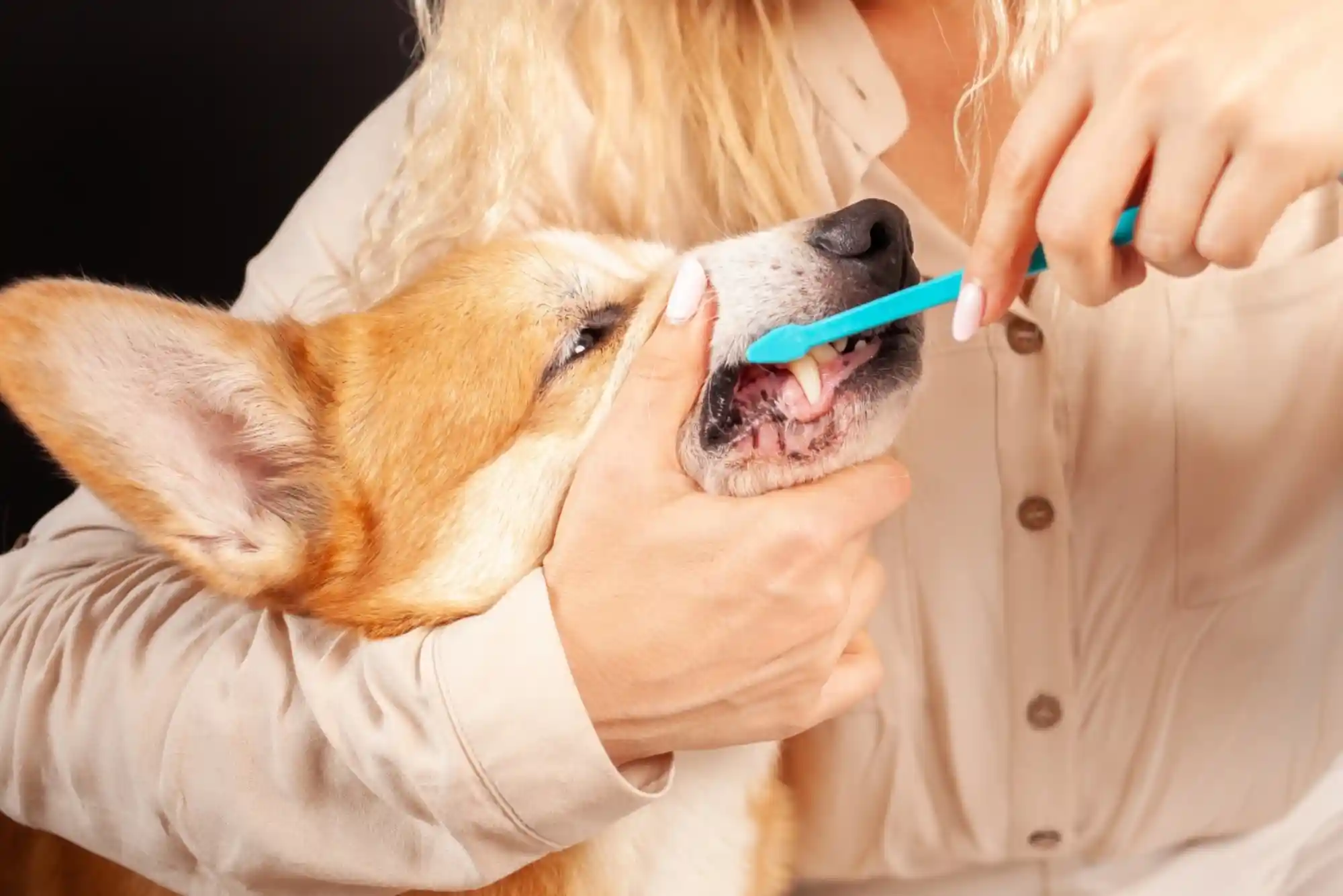
Introducing a new routine requires immense patience and positive reinforcement. Start by letting your dog lick a small amount of pet toothpaste off your finger. This helps them associate the flavor with a positive reward. Next, gently lift their lips and touch their teeth and gums with your finger. Do this for a few days until your dog remains calm and relaxed. Introduce the toothbrush gradually while offering plenty of praise and treats. Focus primarily on the outer surfaces of the upper teeth where plaque accumulates fastest. The motion should be gentle and circular along the gumline. You do not need to pry their jaws open to clean the inner surfaces. Most dogs naturally keep their mouths closed or resist inner cleaning anyway. Aim for short sessions lasting thirty seconds to one minute initially. Gradually build up until you can brush comfortably several times a week.
Supplemental Strategies for Oral Hygiene
Brushing remains the gold standard, but other options can support your routine. Dental chews and interactive toys help mechanically scrape away surface plaque. Always look for products approved by the Veterinary Oral Health council to ensure safety. These seals guarantee that products meet specific plaque-reduction standards. Water additives provide another passive way to help manage bacteria and reduce bad breath. Simply pour the recommended amount into your dog’s daily water bowl. Prescription dental diets feature larger kibble sizes designed to break apart without shattering instantly. This mechanical shearing action wipes plaque off the tooth crown during chewing. Keep in mind that these methods complement brushing rather than replacing it entirely. Combining multiple approaches delivers the best protection against advanced decay.
Recognizing Signs of Dental Trouble
Monitoring your dog’s mouth helps catch problems before they require extensive surgery. Chronic halitosis is usually the very first indicator of underlying dental disease. You might also notice yellowish-brown buildup coating the base of the teeth. Red, swollen, or bleeding gums indicate active inflammation and discomfort. Some dogs drop food while eating or show a sudden reluctance to chew hard toys. Excessive drooling or pawing at the mouth can also signal severe tooth pain. Behavioral changes such as increased irritability often stem from chronic oral discomfort. If you observe any of these warning signs, schedule a veterinary evaluation immediately. Professional intervention under anesthesia is necessary once disease moves below the gumline.

Conclusion
Protecting your dog’s smile requires commitment, patience, and the right daily habits. Incorporating regular brushing into your schedule prevents painful infections and costly veterinary treatments. Start small today by introducing pet-safe toothpaste and letting your dog adjust. Check out Ukkings for more pet care tips and lifestyle insights. Share your own dog dental care experiences in the comments below.
Frequently Asked Questions
Can I use baking soda to brush my dog’s teeth?
No, you should never use baking soda for your dog. Baking soda has a very high sodium content and an unpleasant taste that can upset your dog’s stomach if swallowed. Always stick to pet-safe enzymatic toothpaste.
How often should I brush my dog’s teeth?
Daily brushing is ideal for controlling plaque and preventing gingivitis. If daily brushing is not possible, aim for at least three times a week to maintain healthy gums.
Are professional dental cleanings really necessary?
Yes, professional cleanings under anesthesia are essential because vets can clean beneath the gumline. At-home care only manages what is visible on the surface of the teeth.
Can bad breath mean my dog is sick?
Persistent bad breath is a primary indicator of periodontal disease or bacterial buildup. It can also point to underlying digestive or kidney issues if oral health is fine.
Do dental chews replace brushing?
Dental chews help reduce plaque accumulation, but they cannot replace mechanical brushing. Think of them as a helpful supplement rather than a complete oral hygiene solution.
Related Reading: The Pros and Cons of Renting vs. Buying a Home in the UAE — full guide
Related Reading: Can BPH Disease Lead to Prostate Cancer?