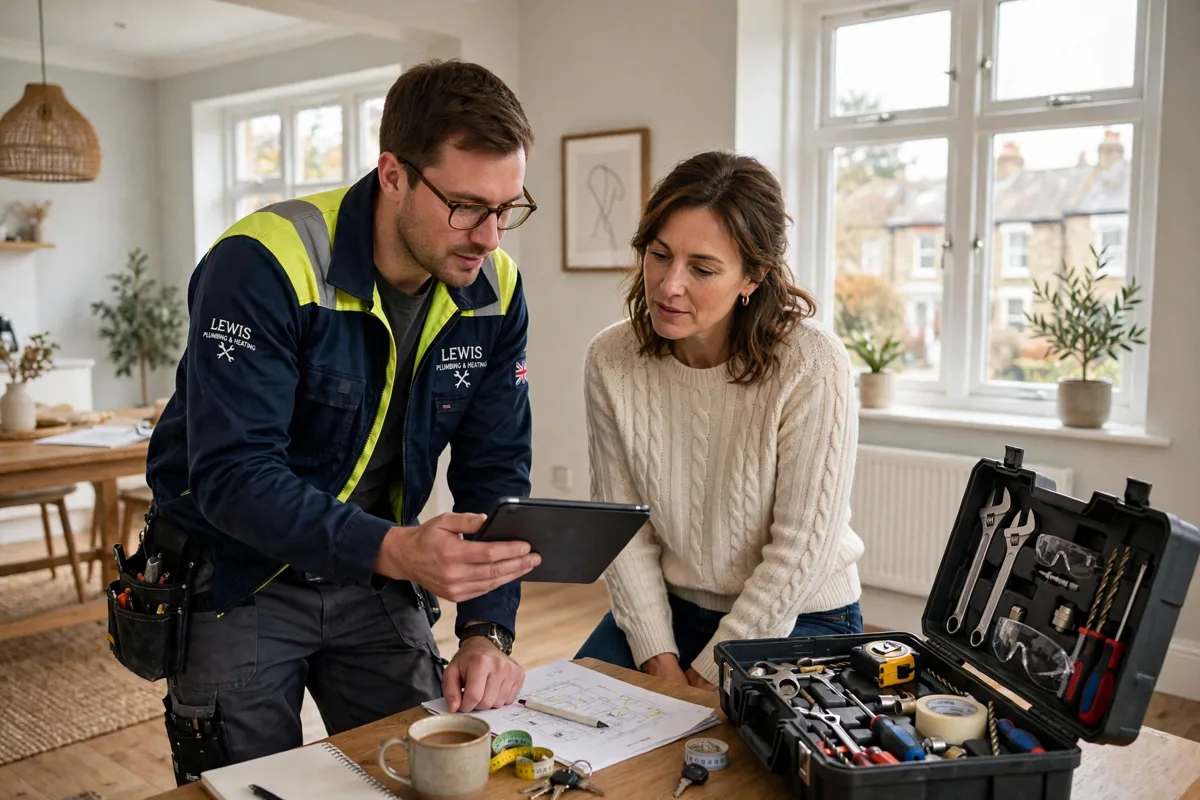
Finding a reliable tradesperson can feel like a gamble. Whether it is a leaking boiler in January, a bathroom that needs refitting, or a fence flattened by a storm, the quality of the person you hire decides whether the job is done once and done properly, or becomes an expensive saga of callbacks and corrections. The good news is that trustworthy plumbers, electricians, builders and decorators leave a trail of evidence behind them. This guide walks through how to read that trail, compare quotes like a professional, and protect your money from the first phone call to the final payment.
Start with recommendations you can verify
The most dependable route to a reliable tradesperson is still a personal recommendation, but treat it as a starting point rather than a guarantee. Ask neighbours, colleagues and local community groups who they used, what the job cost, and whether the tradesperson came back willingly to fix any snags. A glowing review from someone whose job was finished six months ago counts for far more than praise written the day the van left. If you have recently moved and your local network is still small, our complete guide to moving house in the UK covers the first weeks of settling in, including building exactly this kind of local contacts list.
Online reviews matter too, but read them critically. Look for detailed reviews that describe the actual work, how problems were handled and whether the final bill matched the quote. A profile with nothing but five-star one-liners posted in the same week deserves the same suspicion as one furious review among fifty fair ones.
Check credentials, trade bodies and insurance
For many trades, membership of a recognised body is not decoration; it is a legal or practical requirement. Gas engineers must be on the Gas Safe Register, and you can check their ID card number online in seconds. Electricians registered with bodies such as NICEIC or NAPIT can self-certify work under Part P of the Building Regulations, which saves you a separate notification fee. Builders may belong to the Federation of Master Builders, and government-endorsed schemes such as TrustMark list traders who have been vetted and who offer access to dispute resolution.
Whatever the trade, ask two direct questions before anyone starts work: do you hold public liability insurance, and will you provide its details in writing? A reliable tradesperson answers without hesitation. Be equally direct about qualifications for specialist jobs. If you are planning the look of a room before bringing anyone in, browsing the latest UK home decor trends and gathering your ideas first will help you brief the job clearly and judge whether a quote reflects what you actually asked for.
Get at least three written quotes
Never accept a price scribbled on the back of a card. Ask at least three tradespeople to quote in writing for exactly the same specification: materials, brands where they matter, who supplies what, how long the job will take, and what happens to the waste. Written quotes expose the differences that verbal estimates hide. One builder’s bargain price often excludes plastering, disposal or the second coat of paint that the others included.
Comparing quotes is also a budgeting exercise, and the compare-before-you-commit habit behind our guide to smart shopping in the UK applies doubly here. Set the money aside before work begins rather than hoping the final bill behaves, and keep a contingency of around ten to fifteen per cent for the surprises that older houses specialise in. Our round-up of personal finance tips for UK households is a useful companion read if the project is part of a wider effort to get household spending under control. If a quote is dramatically cheaper than the rest, treat that as a question, not a gift: ask what has been left out.
Agree the details in writing before work starts
Most disputes between homeowners and tradespeople are not about dishonesty; they are about two different memories of the same conversation. Protect both sides with a short written agreement covering the scope of work, the total price or the day rate, the payment schedule, start and finish dates, and who is responsible for building control notifications where they apply. For larger jobs, ask about a guarantee on the workmanship and whether it is insurance-backed, which keeps it valid even if the firm stops trading.
Keep every message, invoice and receipt in one folder. If the job changes halfway through, and most do, agree the extra work and its price in writing before it is done, not after it appears on the bill.
Pay in stages, and never hand over everything up front
A reliable tradesperson rarely asks for the full amount before starting. A modest deposit for materials on a large job is normal; a demand for complete payment in cash before a tool is lifted is not. The safest pattern is staged payments tied to completed milestones: materials delivered, first fix done, job finished and snagged. Pay by bank transfer or card where you can, so there is a clear record, and hold back the final instalment until you have walked the job, tested everything that switches, flushes or heats, and agreed the snagging list.
For heating and insulation work in particular, check whether any of the cost can be offset before you commit: government-backed schemes in different parts of the UK periodically cover part of the bill for boiler replacements and insulation upgrades for eligible households, and a good installer will tell you honestly whether your job qualifies. The same applies to newer home technology. Home EV charging points, for instance, have become a standard job for electricians as ownership grows, a trend we explored in our look at the future of electric cars in the UK.
Red flags that should end the conversation
Rogue traders rely on pressure and vagueness, so learn their tells. Be wary of anyone who knocks on the door offering a special price because they are “working on your street”, who can only start today, who quotes without looking properly at the job, or who has no landline, no business address and no presence you can verify. Cash-only demands, refusal to put anything in writing, and prices that drop dramatically the moment you hesitate are all reasons to close the door politely and go back to your shortlist.
Equally, trust the quieter signals of the professionals: a liveried van is not proof of quality, but a tradesperson who explains options honestly, warns you about costs you had not considered, and is booked up for a few weeks is usually showing you exactly why they are in demand.
If something goes wrong
Even careful hiring cannot prevent every problem, so know your route back. Raise issues with the tradesperson first, in writing, with a reasonable deadline for putting things right; most reputable traders will. If that fails, members of schemes such as TrustMark and the main trade bodies offer mediation or dispute resolution. For work you paid for as a consumer, your rights under the Consumer Rights Act 2015 require services to be carried out with reasonable care and skill, and your local Trading Standards office can advise where a trader refuses to engage.
Finding a reliable tradesperson takes an hour or two of checking that can save weeks of stress. Verify the credentials, compare proper written quotes, agree everything in writing and pay in stages, and the odds shift firmly in your favour, job after job.